The skills that once guaranteed a stable career are no longer enough on their own. Seven in ten employers now rank analytical thinking as the single most essential skill in their workforce, according to the World Economic Forum's Future of Jobs Report 2025, alongside rising demand for resilience, creative thinking, and digital literacy. For most young people, this shift means rethinking how they prepare for work. For displaced youth, and particularly for the Syrians we work with every day, it can also mean navigating extra barriers unless the right support exists to close that gap. Syrian youth have always had the talent, the curiosity, and the drive to compete in any labor market. What many have lacked is consistent access to the training, mentorship, and connections that turn potential into opportunity. In this blog, we look at which 21st-century skills matter most for young people today, why the stakes are especially high for displaced communities, and how our Career Development Program is building these skills into real, dignified careers, from Lebanon and Jordan to Syria itself.
Key Insights
- Analytical and critical thinking are now the single most in-demand skill among employers worldwide.
- Digital literacy, creativity, and adaptability matter as much as technical training for long-term employability.
- Youth unemployment in the Arab States is higher than in any other region in the world.
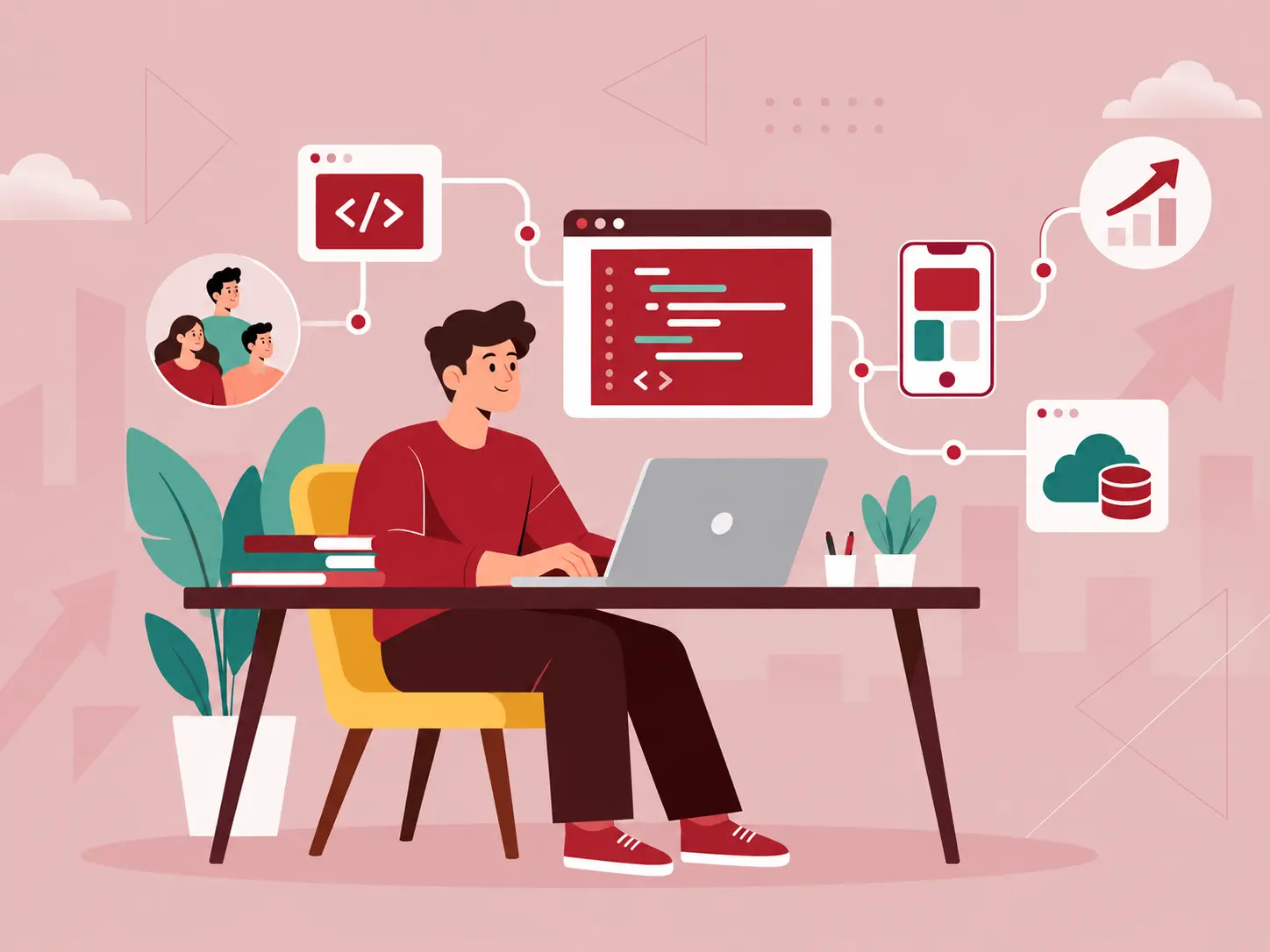
- Our Future Skills Project equips Syrian youth in Lebanon with coding, critical thinking, and English proficiency.
- Since 2025, we have extended 21st-century skills training directly into Syria through Bridges to Syria.
- Projects like Jusoor Elkom connects trained young people to real, remote, and dignified employment.
What Are 21st-Century Skills, and Why Do They Matter Now
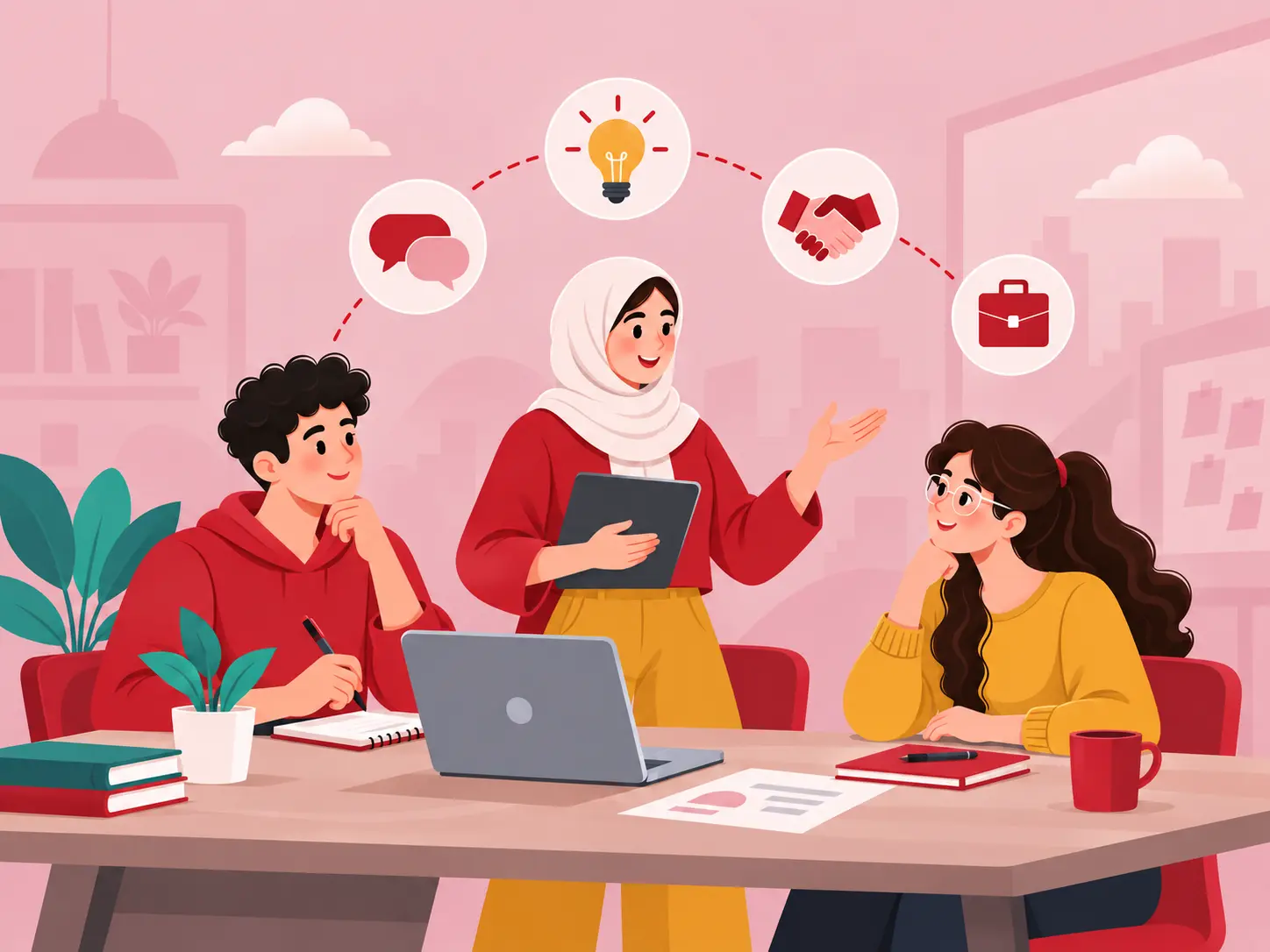
Twenty-first-century skills go beyond what a diploma or certificate can measure. They include critical thinking, creativity, communication, collaboration, digital literacy, and adaptability, the abilities that let a young person learn a new tool, solve an unfamiliar problem, or work well within a diverse team. Employers increasingly treat these as the baseline for hiring, not the bonus. The World Economic Forum's Future of Jobs Report 2025 found that beyond analytical thinking, resilience, flexibility, and leadership round out the top skills employers seek, while curiosity, lifelong learning, and technological literacy are rising fastest as artificial intelligence and digital tools reshape entire industries. This means young people no longer need to choose between technical training and soft skills. They need both, and they need to keep building them throughout their careers. Our Career Development Program was created around exactly this understanding, connecting Syrian talent with income generation, targeted skill sets, and employment pipelines rather than one-off training that ends at a certificate.
Why the Skills Gap Falls Hardest on Displaced Youth
Global labor markets are demanding more from young people at the exact moment when many have had the least stable path to acquire these skills. Youth unemployment in the Arab States reached 26.2 percent in 2025, the highest rate of any region in the world. In Lebanon, where much of our work is based, youth unemployment stood at 47.8 percent in 2022, almost double the adult rate. Inside Syria, years of disrupted schooling compound the challenge: more than 7,000 schools have been damaged or destroyed, and around 2 million children remain out of school. These numbers describe a difficult environment, not a verdict on the young people living in it. Our own research on remote work solutions for displaced youth found that most young Syrians surveyed want to build careers close to their families and communities, because they are determined to overcome the barriers they face. Closing the skills gap, not lowering expectations, is what opens doors.
How We Build 21st-Century Skills at Jusoor
We approach 21st-century skills as a pipeline, not a single workshop. Our Future Skills Project works with Syrian adolescents in Lebanon on coding and robotics, critical thinking, and English proficiency, the three pillars that our experience has shown make the biggest difference for future employability. Jusoor Elkom, our remote talent initiative, connects trained Syrian and Levantine youth with employers seeking bilingual, tech-savvy talent for administration, research, design, and digital marketing roles. Because technical skill alone rarely secures a job, our Career Mentorship Project pairs young Syrians with professional mentors to build a strong resume, a professional LinkedIn profile, a portfolio, and a confident personal pitch. Together, these projects reflect what the data confirms: that durable employment comes from combining technical training with the communication and digital fluency employers now expect as standard.
Bringing 21st-Century Skills Inside Syria
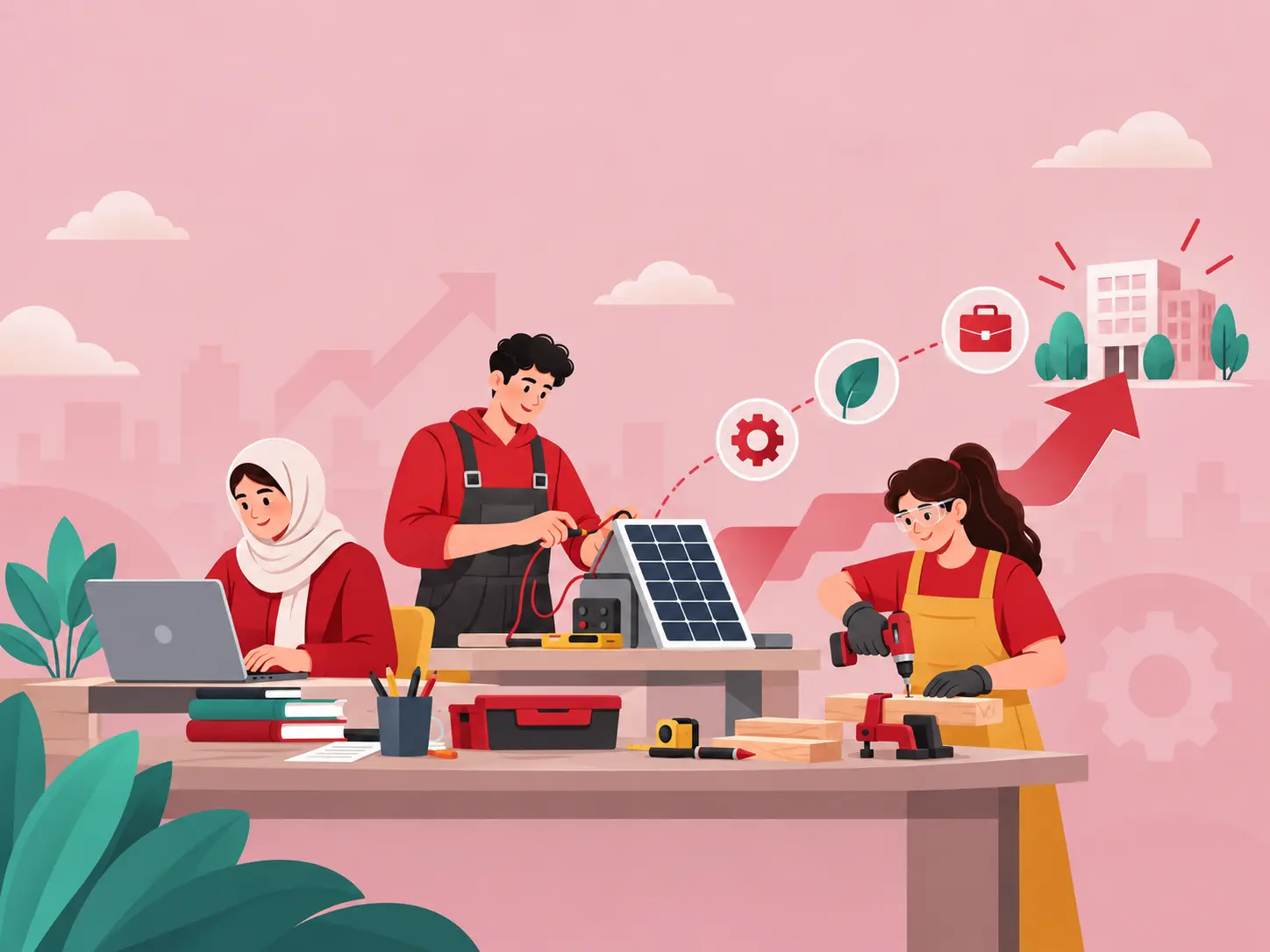
Since 2025, we have carried this same approach into Syria itself through Bridges to Syria. Our first intervention inside the country was a teacher training program that reached 90 educators across Zabadany, Maadameyet Al-Sham, and Haran Al-Awameed, equipping them with student-centered teaching methods so that critical thinking and curiosity can take root in the classroom from the earliest grades. We have since expanded into direct skills and employment pathways for young people and women across Damascus, Rural Damascus, Aleppo, Homs, Latakia, and Hama, following a train, connect, and enable model that combines vocational, digital, and green skills training with real job matching, internships, and support for freelancing and self-employment. This work reflects a simple belief that has guided us since 2011: Syrian youth deserve the same future-ready skills as their peers anywhere else in the world, regardless of where they happen to be rebuilding their lives.
How Young People Can Start Building These Skills Today
Building 21st-century skills does not require waiting for a formal program. Young people can start by seeking out mentorship, since a good mentor accelerates skill-building far faster than self-study alone. They can also treat English proficiency and basic digital tools as core skills, not extras, given how often these determine access to remote and global opportunities. Practicing communication through volunteering, internships, or community projects builds the collaboration and adaptability that no classroom exercise can fully replicate. For young Syrians looking for a structured next step, our Career Mentorship Project and our Scholarships Program both offer pathways for building these foundations with guidance and support.
Frequently Asked Questions
What are 21st-century skills?
21st-century skills are the abilities that go beyond technical knowledge, including critical thinking, creativity, communication, collaboration, digital literacy, and adaptability. Employers increasingly treat these as essential requirements for hiring, not optional extras.
Why do young people need 21st-century skills today?
Global labor markets are changing quickly due to automation, artificial intelligence, and shifting industries. Employers now prioritize analytical thinking, resilience, and digital literacy alongside technical qualifications, so young people who build these skills early are better positioned for long-term, dignified employment.
How does Jusoor build 21st-century skills for Syrian youth?
We build these skills through our Career Development Program, which includes the Future Skills Project for adolescents in Lebanon, Tech Elevation Pathways for junior engineers, Jusoor Elkom for remote employment, and the Career Mentorship Project for soft skills and job readiness. Since 2025, this work has extended into Syria through Bridges to Syria.
Are Jusoor's programs open only to youth living in Lebanon?
No. Our Career Development Program supports Syrian youth across the Levant, including Lebanon, Jordan, and Türkiye, and increasingly inside Syria itself through Bridges to Syria. Projects such as Jusoor Elkom also welcome Levantine youth more broadly.
Who is eligible for Jusoor's programs?
Our programs are open to Syrians and Palestinians from Syria. Eligibility criteria, including age range and location, vary by project, and full details are available on each program page at jusoor.ngo.
How can I support this work?
You can donate to fund training and employment pathways directly, sign up to mentor a young Syrian, or, if you have relevant expertise, become a trainer with our Career Development Program.
Conclusion
21st-century skills are no longer a competitive advantage; they are the baseline for entering today's labor market. For Syrian youth, building these skills is not about catching up from a position of lack. It is about applying talent and determination that have always been there, now matched with the training, mentorship, and pathways to put that talent to work. Since 2011, we have built our four programs, Refugee Education, Scholarships, Entrepreneurship, and Career Development, around this mission, and Bridges to Syria now carries that same work home. If you would like to help a young Syrian build a future-ready career, donate to Jusoor or learn more about our work at jusoor.ngo.