.webp)
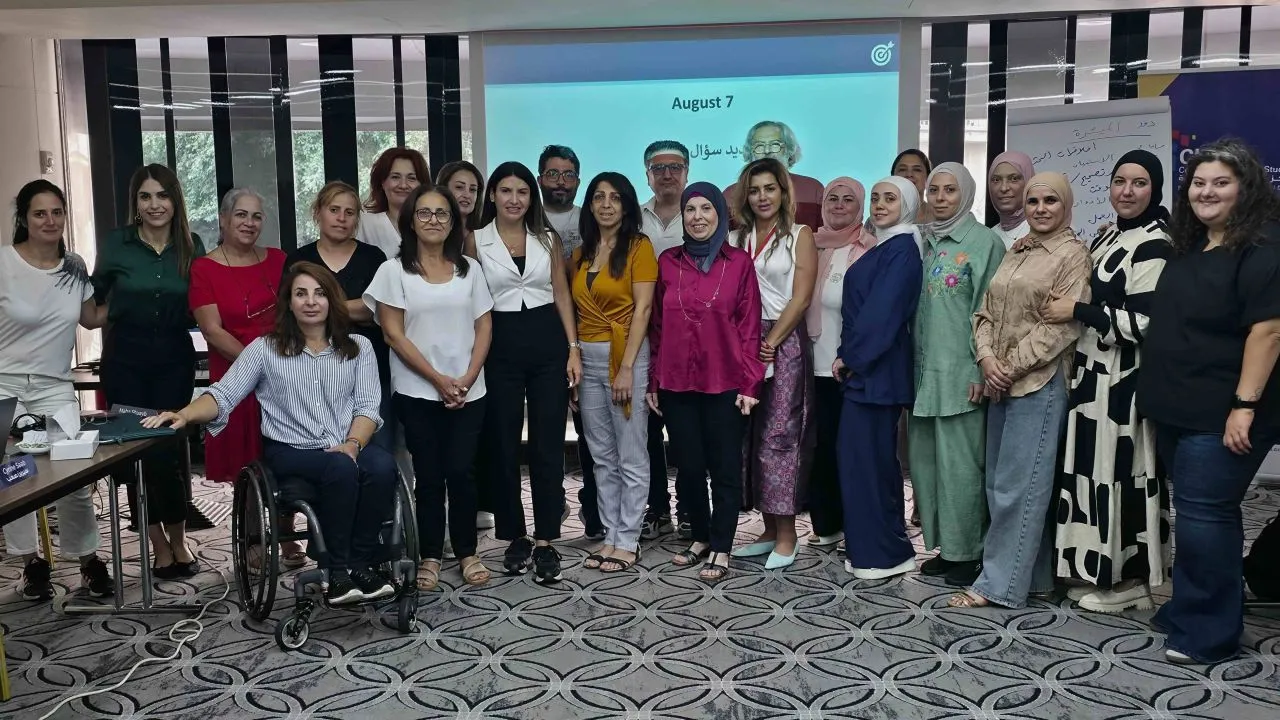
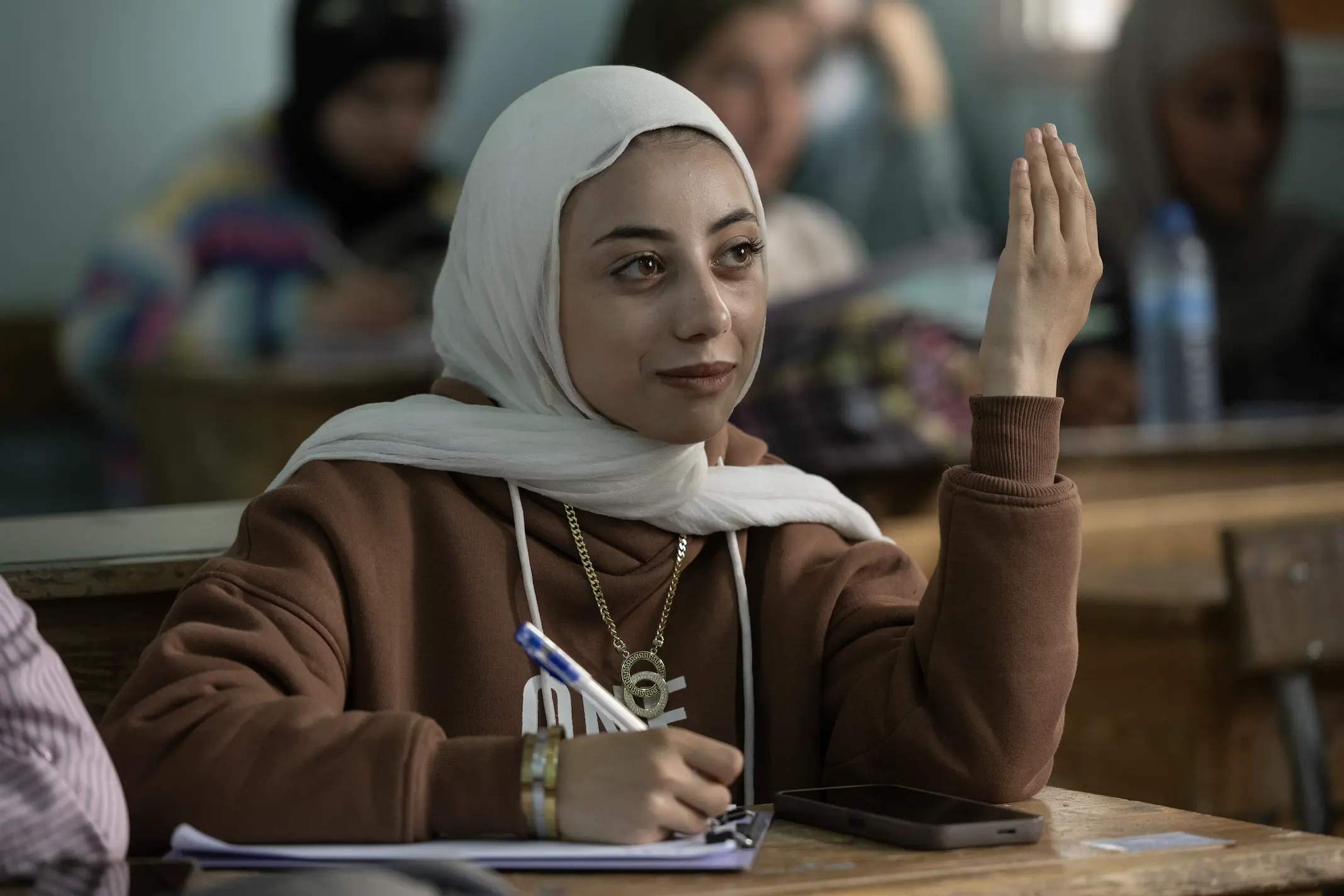
At Jusoor's Refugee Education Program (REP) in Lebanon’s three centers in Bourj Hammoud, Jeb Jennine, and Jurahiya, a new academic year begins with our teachers learning before our students do. Each year, we open with an in-service training week that welcomes staff back to the classroom and reinforces a culture of lifelong learning across our centers.
This year's sessions, which ran from September 15 to 22, were chosen for their innovation and variety, and for how directly they speak to two priorities: our teachers' professional growth and the quality of education our students receive. Three sessions were open to all staff, both longtime team members and newcomers, while three more were designed for teachers who have joined Jusoor in the past couple of years.
Sessions for all staff
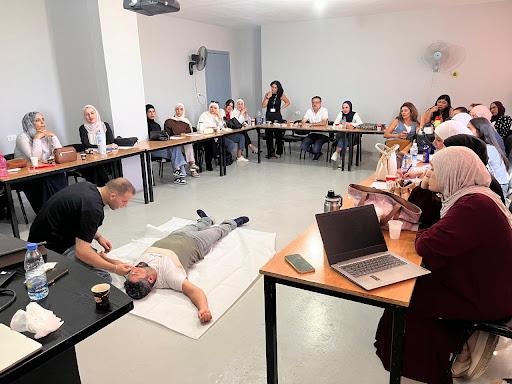
First aid training. Teachers are often the first adults on the scene when a child is hurt or unwell. First aid training prepares them to respond quickly and effectively to injuries or medical emergencies in the classroom or on school grounds. This matters all the more in centers serving vulnerable children, where immediate medical care is not always within reach.
A refresher on the life skills curriculum. Life skills are central to how REP supports its students, and revisiting the curriculum keeps every center aligned with the program's core objectives. The session gave teachers space to go back over key concepts, exchange what has worked in their classrooms, and bring in new strategies that keep lessons relevant and engaging.
Building the teacher-parent bridge. A child learns best when the adults around them are working together. This workshop focused on strengthening communication between teachers and parents and on encouraging families to play a more active role in their children's education. For many REP families facing difficult circumstances, a trusting, collaborative relationship with their child's teacher can make a real difference.
Sessions for our newer teachers
Positive classroom management. Good classroom management creates an environment that is structured yet nurturing, with fewer disruptions and more time for learning. In REP classrooms, where students arrive with different levels of readiness and different emotional needs, this balance is essential.
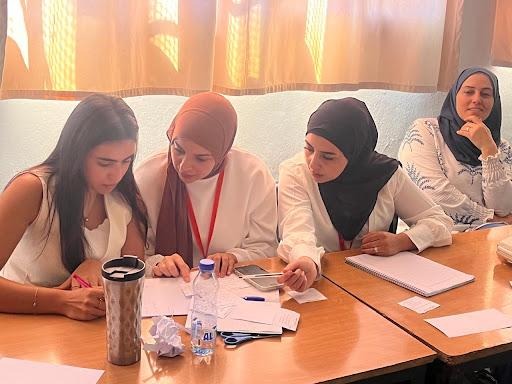
Assessment. Knowing where each student stands is the starting point for helping them move forward. This session trained teachers to measure progress accurately and to use what they learn to guide their teaching, so that gaps are caught early, and instruction meets students where they are.
Differentiated instruction for diverse learners. No two students in a classroom learn in quite the same way. Differentiated instruction helps teachers adapt their methods, materials, and pace to the range of abilities, backgrounds, and learning styles in front of them. Many REP students have experienced interruptions in their schooling, and this individualized approach is key to helping them succeed.
Learning from one another
Participants enjoyed the week and said they benefited greatly, both from refreshing their knowledge and from learning alongside their colleagues. That exchange of experience is at the heart of the training week. When our teachers keep growing, our students do too.
We cannot wait to welcome our students back in our three centers at the start of October for another fruitful academic year.