According to UNHCR, Lebanon hosts more than half a million Syrian school-aged children and youth, and only 50% of them are receiving primary education, and the numbers drop significantly further for secondary and higher education. Among the most important factors contributing to children being out of school are proximity to schools, manifested in transportation fees, administrative hurdles, and lack of school resources in vulnerable areas. Working children are even more at risk of not getting an education.
Our Intervention
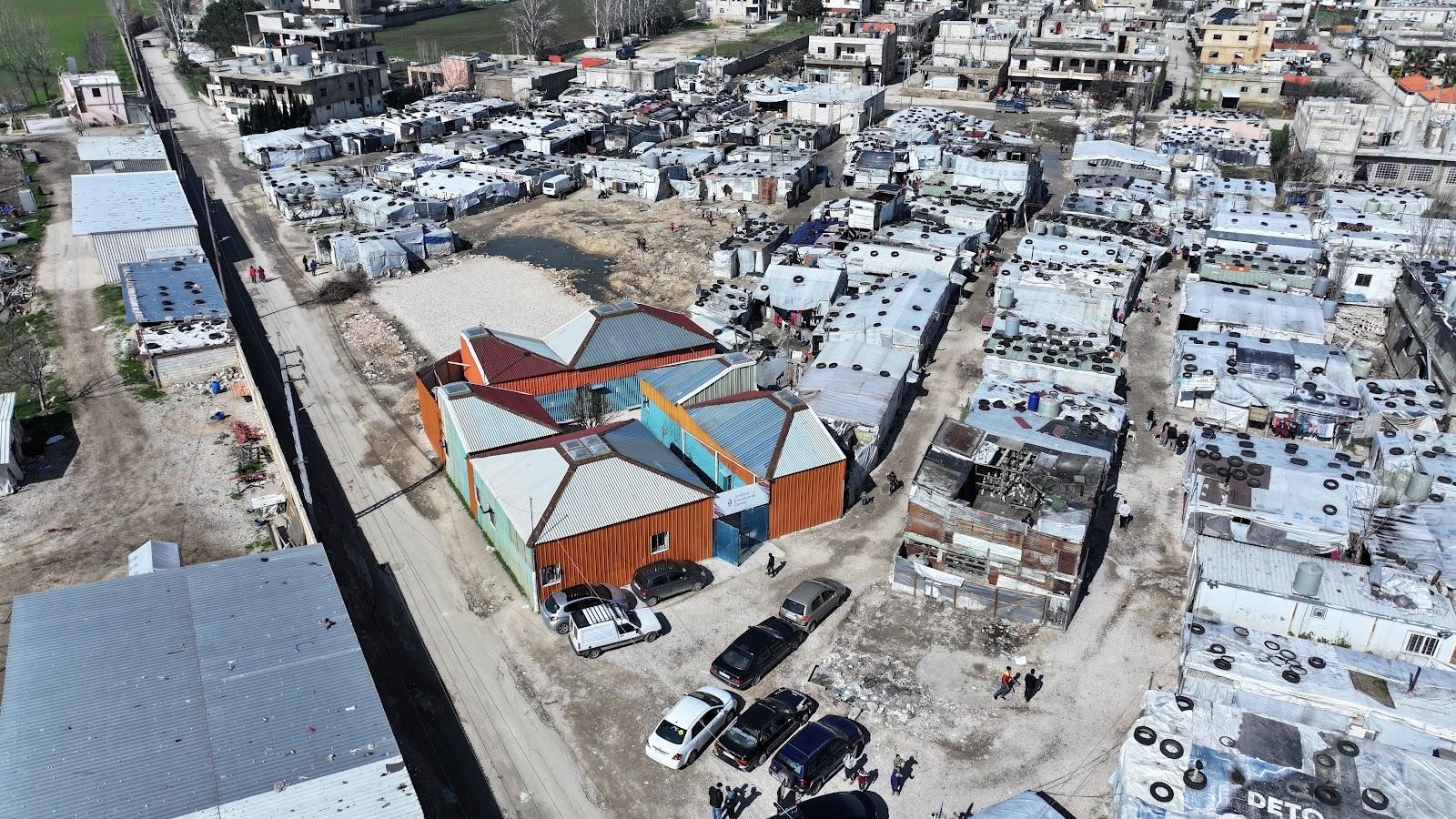
The Refugee Education Program, founded in 2013, enrolls Syrian and vulnerable Lebanese children at the primary school level, bringing them through a specially designed program to help them catch up on numeracy, literacy, and life skills that are necessary to successfully transition into Lebanese schools. This program operates at all three of Jusoor’s Centers and works with more than a thousand students each year.
A well-rounded education is provided to children struggling to make up for the years of school they have missed. Psychosocial support is also provided to all our stakeholders, including teachers and parents, to help them cope with the struggles and stress of displacement and economic challenges.
By placing our centers within the directly affected communities and building trust within the communities, we facilitate the children’s access to education at its most vulnerable stage.
Our Curriculum
Jusoor’s Refugee Education Program follows an adapted Lebanese curriculum. Social-emotional learning also comprises a core part of our curriculum. Personal, social, and health education (PSHE) classes take place during circle time and include themes on rights of children, forgiveness, empathy, and sharing, etc. Additionally, art, music, and physical education classes are integrated into all the lessons so that students develop their fine and gross motor skills.
Jusoor’s Syrian Identity program is a component of our core curriculum and focuses on the geographical, historical, and cultural heritage of Syria.
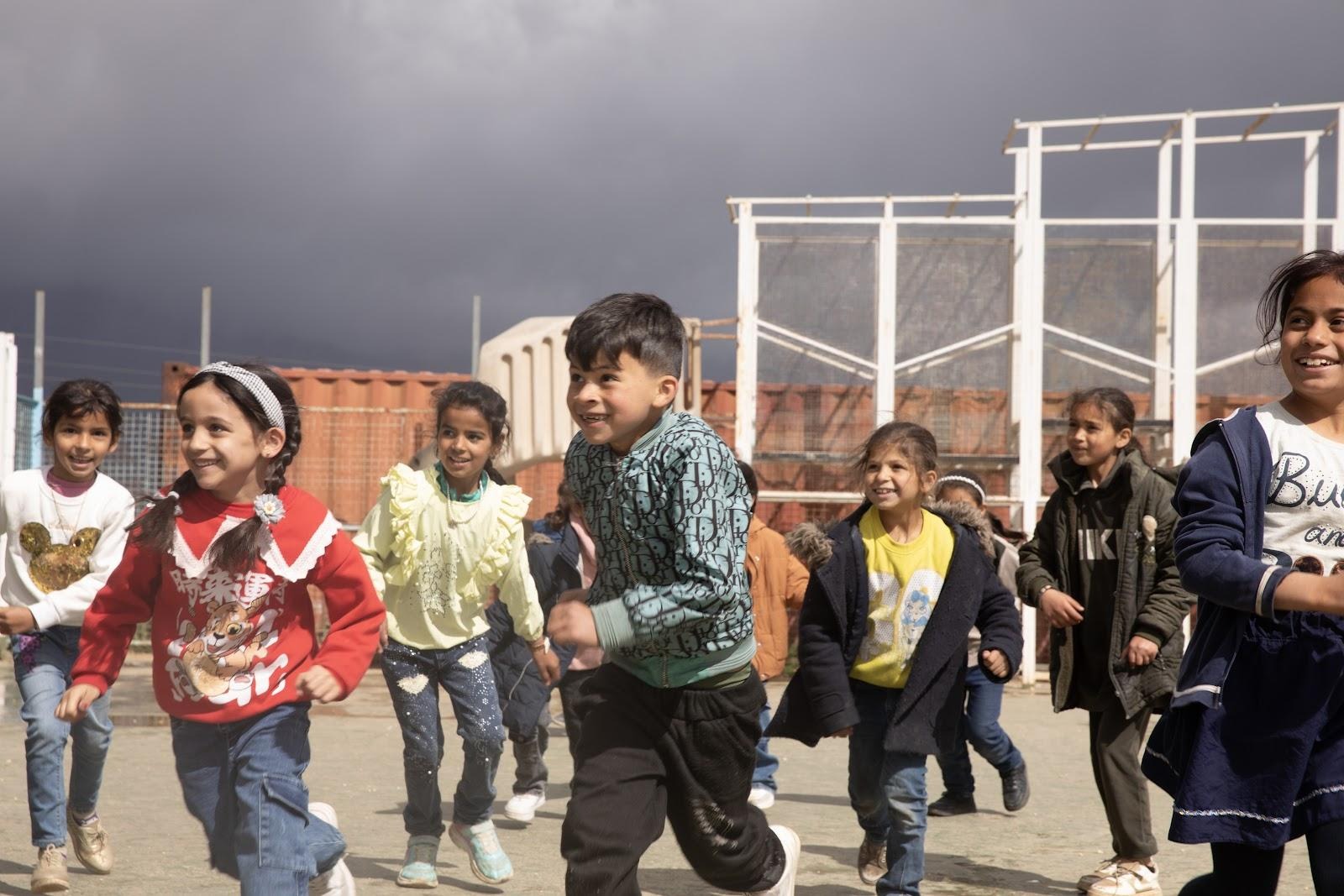
A hallmark of Jusoor’s educational program also includes activities in mental math, STEM, and critical thinking.
All students sit for placement tests in math and Arabic, and the Jusoor team decides accordingly on the level of each child. There are 4 main levels (ECD, beginners, Level 1, and Level 2). Upon completing each level, students either move on to the next level or join a Lebanese school. All students are tracked academically and psycho-socially.
Our centers’ staff have also been trained to adapt to online learning quickly when facing a crisis. With COVID-19 and wars in Lebanon in 2024 and 2026, our centers quickly adapted to online learning, retaining half of the students despite hurdles such as access to internet and smartphones.
Impact
- 14,859 Students Joined Our Education Centers since 2011
- 83% of students passed the final exam in the 2024/2025 academic year, achieving an average score of 72 out of 100 across English, Arabic, and Math.
- Student attendance rate reached 76% in 2025
“Education at Jusoor is not traditional, the teachers explained in an interesting way. We used to play games and have fun with our friends in class.” – Fawaz, Primary Education Program Alumnus, currently enrolled in secondary school
Stories
Building Dreams, One Class at a Time
Moumen: A journey from Fleeing War to a Promising Future
Elham: Rising Above Challenges with Determination
Support Us!
If you want to support displaced children to get the best possible start to their education journey, get in touch: connect@jusoor.ngo
Related Updates / Stories
Thanks to