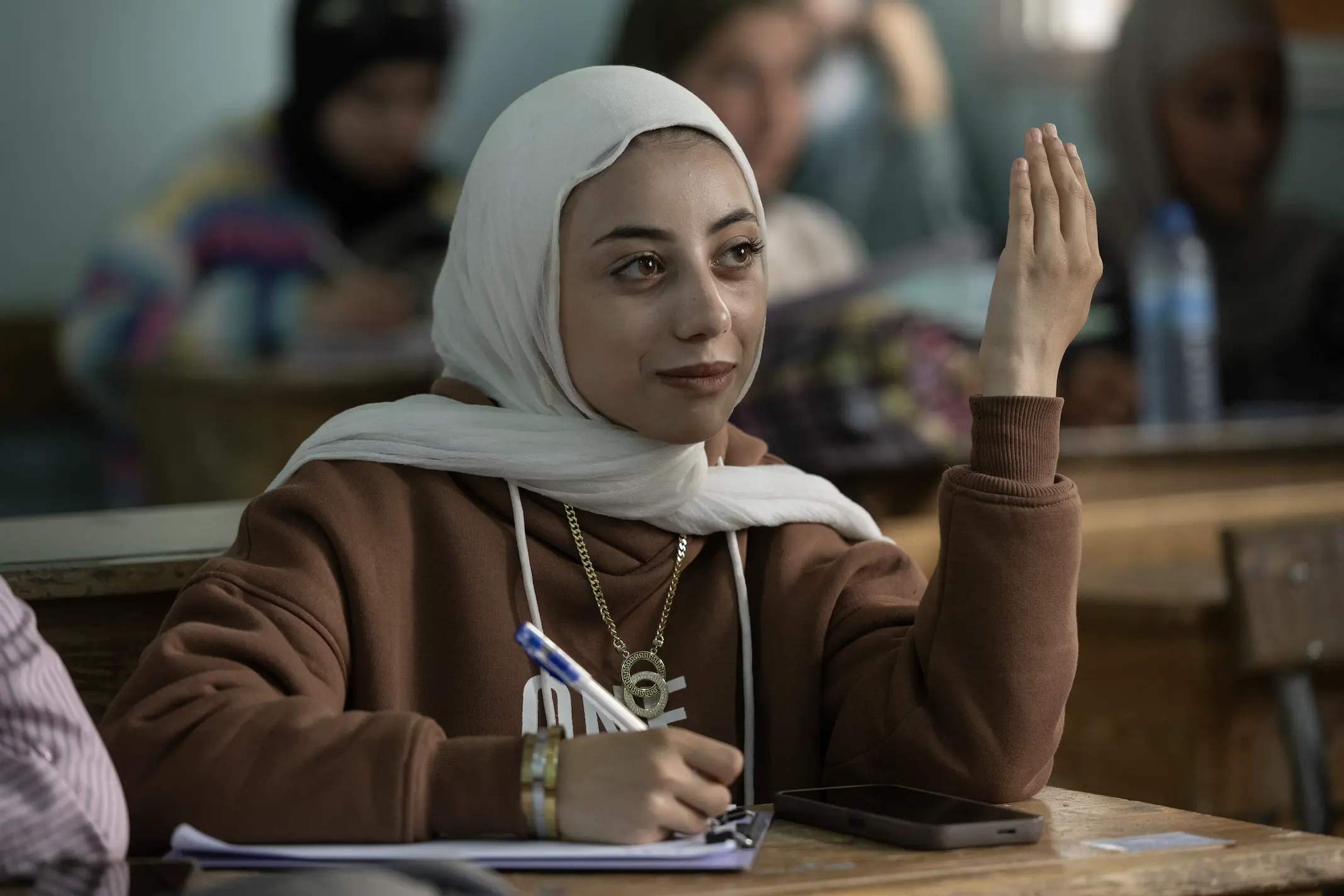
This Refugee Week, the theme is courage. For many, courage conjures images of dramatic moments of borders crossed and dangers braved. But courage also lives in quieter places. In a classroom in the Bekaa Valley, a displaced teacher shows up every morning to give children something stable to hold onto. In a lesson plan prepared the night before, in a tent or modest temporary home, by someone who had lost their own home but had not lost their belief in education.
The teachers were once displaced in Lebanon, and Jusoor's centers gave them a place to keep teaching and to keep growing. They learned new approaches, took on leadership roles, mentored colleagues, and built classrooms that became anchors for thousands of Syrian refugee children.
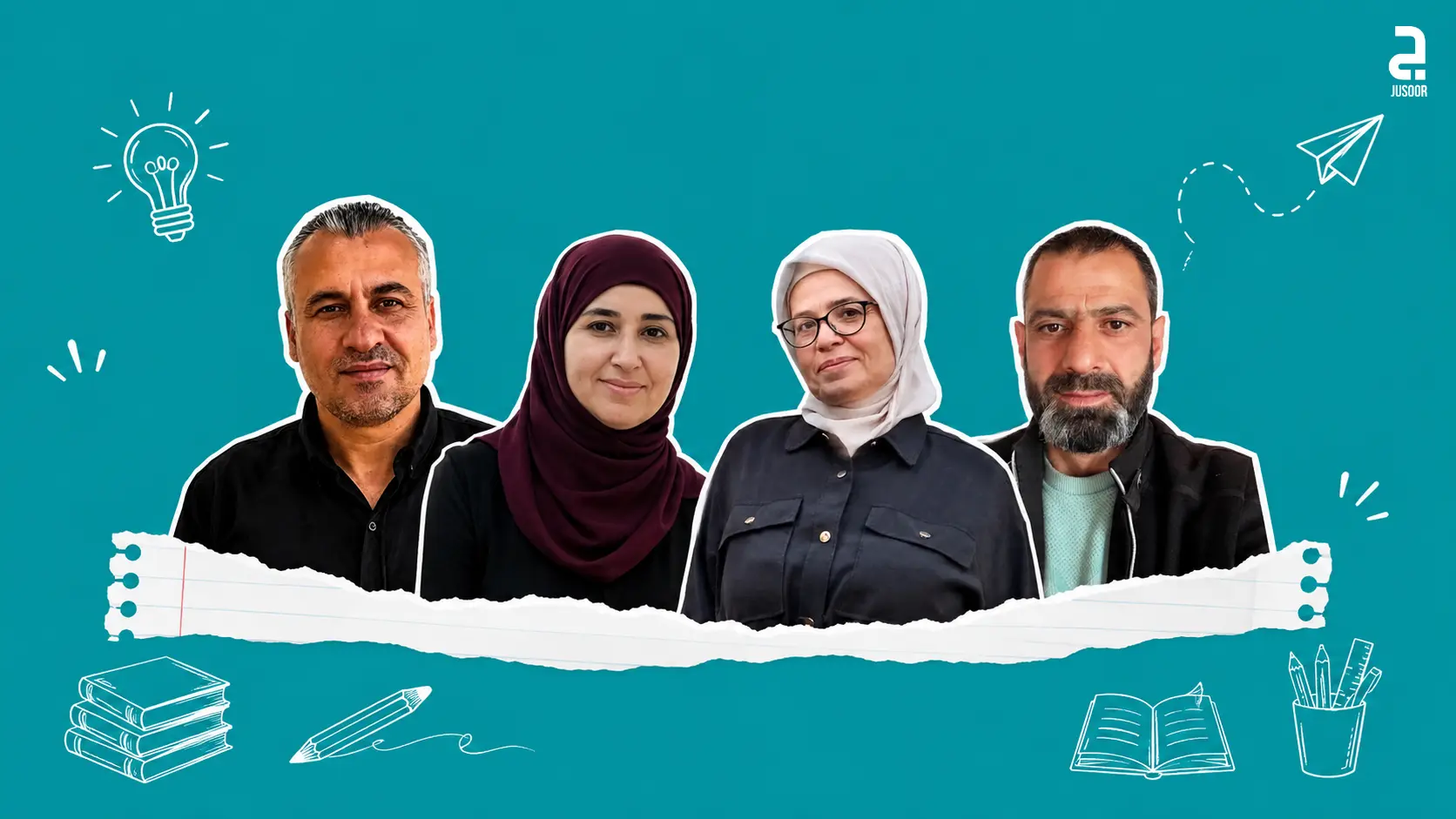
Now, many of them have returned to Syria. And they have taken everything they learned and experienced in Lebanon with them. These are their stories, in their own words.
Wael Al-Dalati
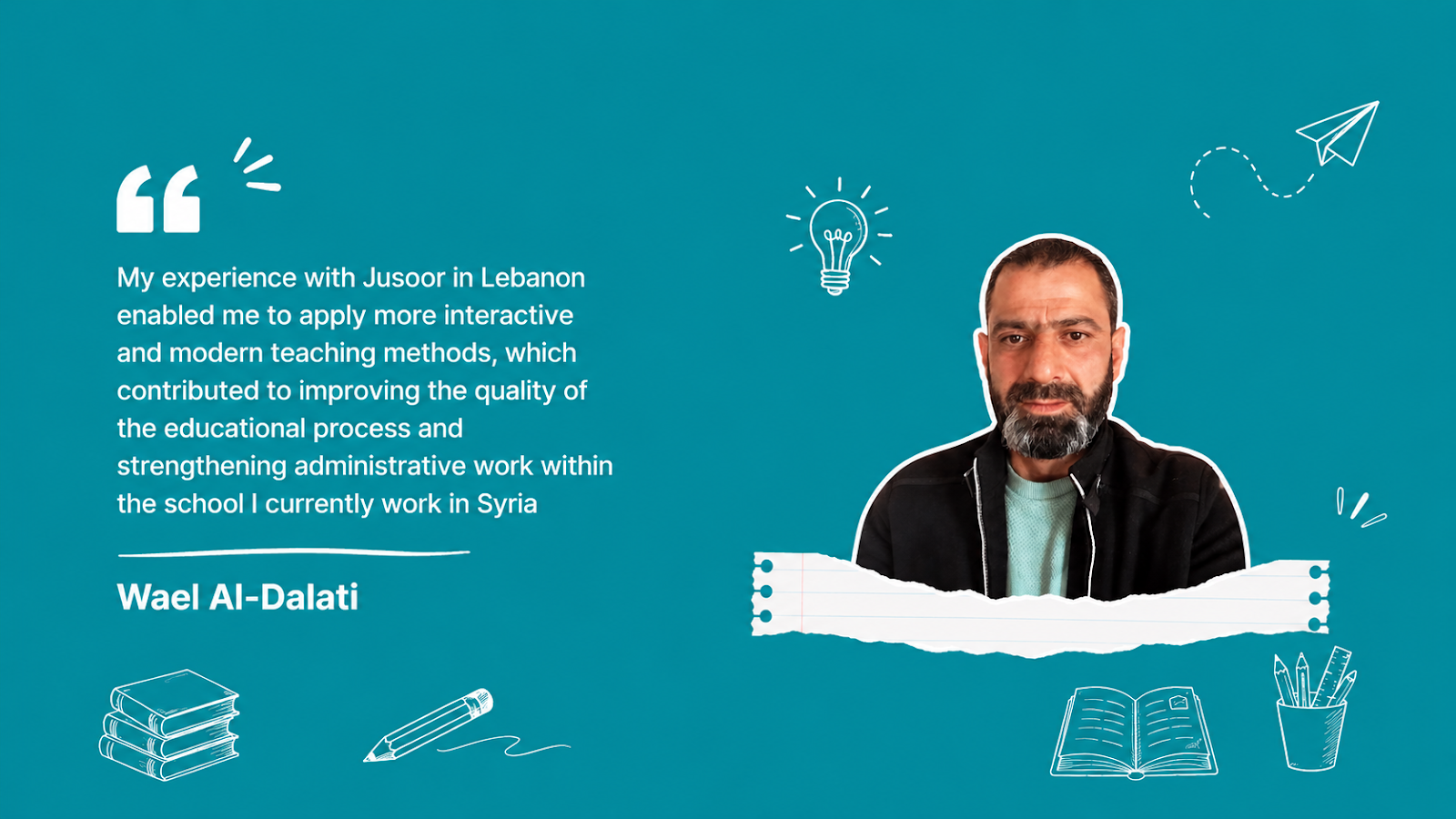
“My experience as a displaced and refugee teacher in Lebanon since 2015 was a major turning point in my professional career. I worked with Najda Now, then with the Social Support Association for Syrian Refugees, before joining Jusoor, where I spent more than 8 years. This experience significantly developed my educational and administrative skills through continuous training, work in refugee and camp settings, and exposure to modern teaching approaches, including classroom management and active learning strategies.
This experience has directly influenced my current role in Syria, where I work at Ibn Al-Qayyim School in Al-Moadamiyeh as a teacher supervisor. It helped me improve teacher follow-up, organize educational activities, supervise lesson preparation, and provide effective feedback. It also enabled me to apply more interactive and modern teaching methods, which contributed to improving the quality of the educational process and strengthening administrative work within the school.”
Izdihar Tinawi
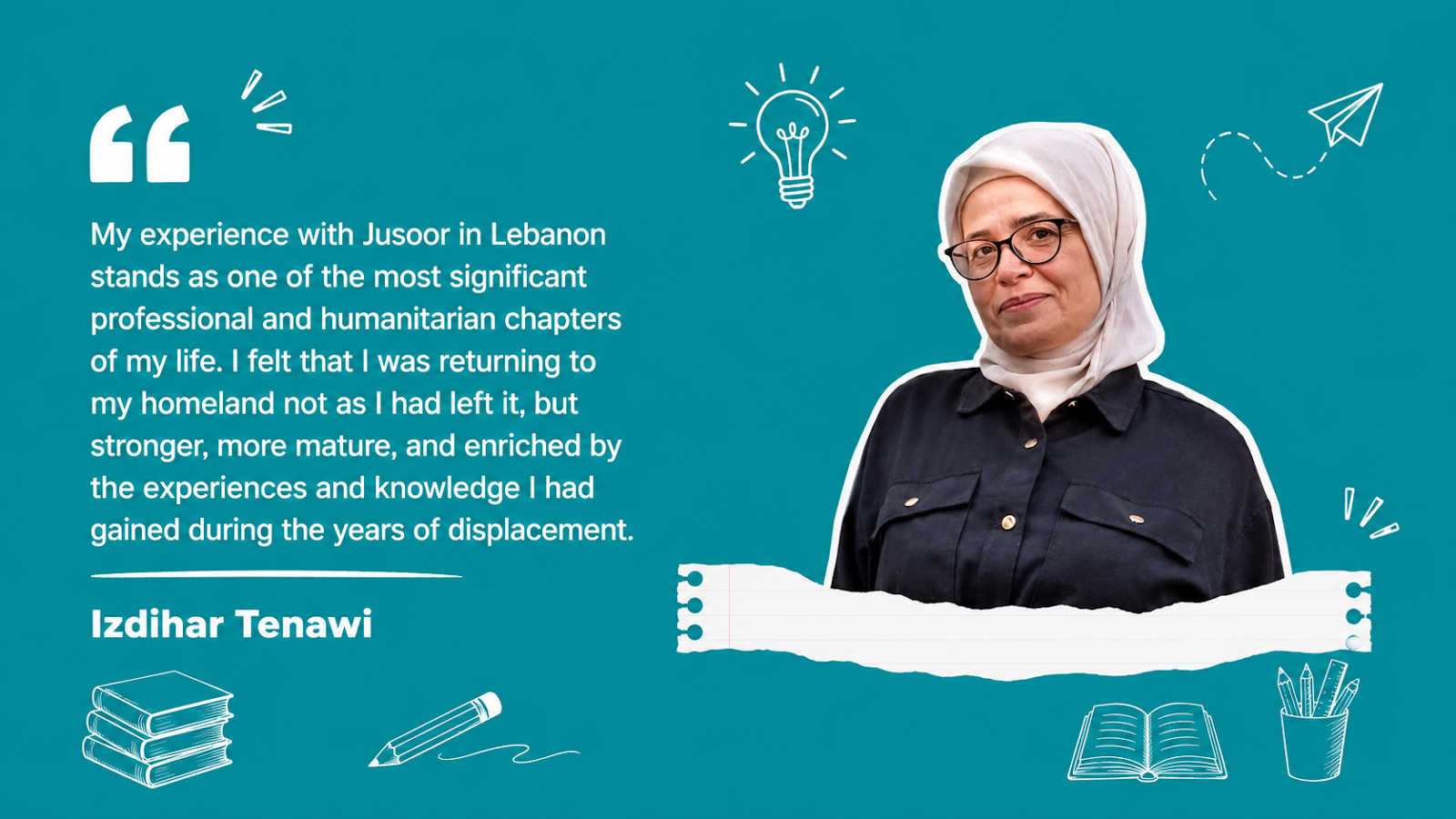
“My experience with Jusoor in Lebanon stands as one of the most significant professional and humanitarian chapters of my life. I worked as a principal of a school dedicated to Syrian refugee children, a role that combined administrative responsibility with a deeply human mission. This was never just a job — it was a reflection of my own journey as a refugee who lived in Lebanon for more than fourteen years, which gave me a profound understanding of the students' needs and their psychological and social circumstances. Through my work, I strove to create a safe and nurturing learning environment that fostered stability for the children and gave them hope for a better future, despite the harsh challenges they had endured.
Throughout those years, my journey was not only one of giving but of continuous learning and growth. I received an educational scholarship through the organization, and completed numerous training programs focused on teaching skills, educational supervision, and child learning methods — all of which considerably enriched my knowledge and academic foundation.
When I returned to Syria after liberation, my feelings were a deep mixture of belonging, pride, and strength. I felt that I was returning to my homeland not as I had left it, but stronger, more mature, and enriched by the experiences and knowledge I had gained during the years of displacement. The return was not simply a geographic transition; it was a return with a more grounded and confident identity, and a deeper belief in my capacity to contribute to rebuilding society through everything I had learned and lived.”
Suzanne Assad
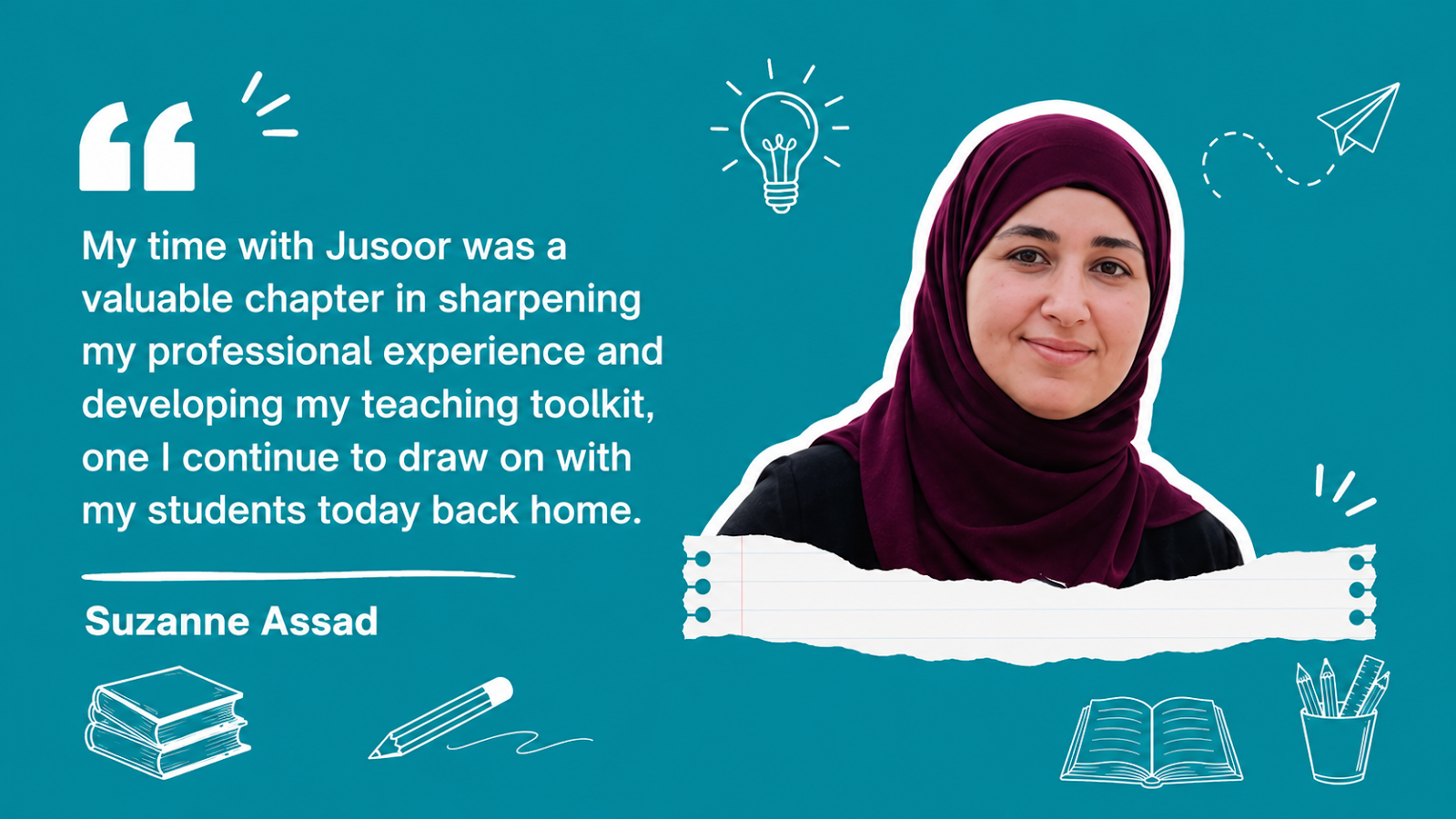
“I began teaching after being displaced to Lebanon in 2013, joining Jusoor's education team in early 2014. During my time with the organization, I took part in intensive training programs focused on developing teaching competencies through modern approaches.
The training covered core areas, including active learning strategies to transform the classroom into an interactive environment, project-based learning to connect students with their real-world context, integrating technology through digital resources to strengthen understanding, as well as positive classroom management techniques and psychosocial support methods for working with students in diverse and challenging contexts.
Despite the difficulties along the way, these programs brought about a significant shift in my professional practice. I moved away from traditional lecture-based teaching toward approaches that place the student at the center of the learning process, supported by continuous formative assessment tools.
After returning to Syria, I put these skills and strategies into practice in my classroom. The results were visible in students' increased engagement and participation, and in the more motivating learning environment I was able to build. My time with Jusoor was a valuable chapter in sharpening my professional experience and developing my teaching toolkit — one I continue to draw on with my students today.”
Wael Al-Ziadi
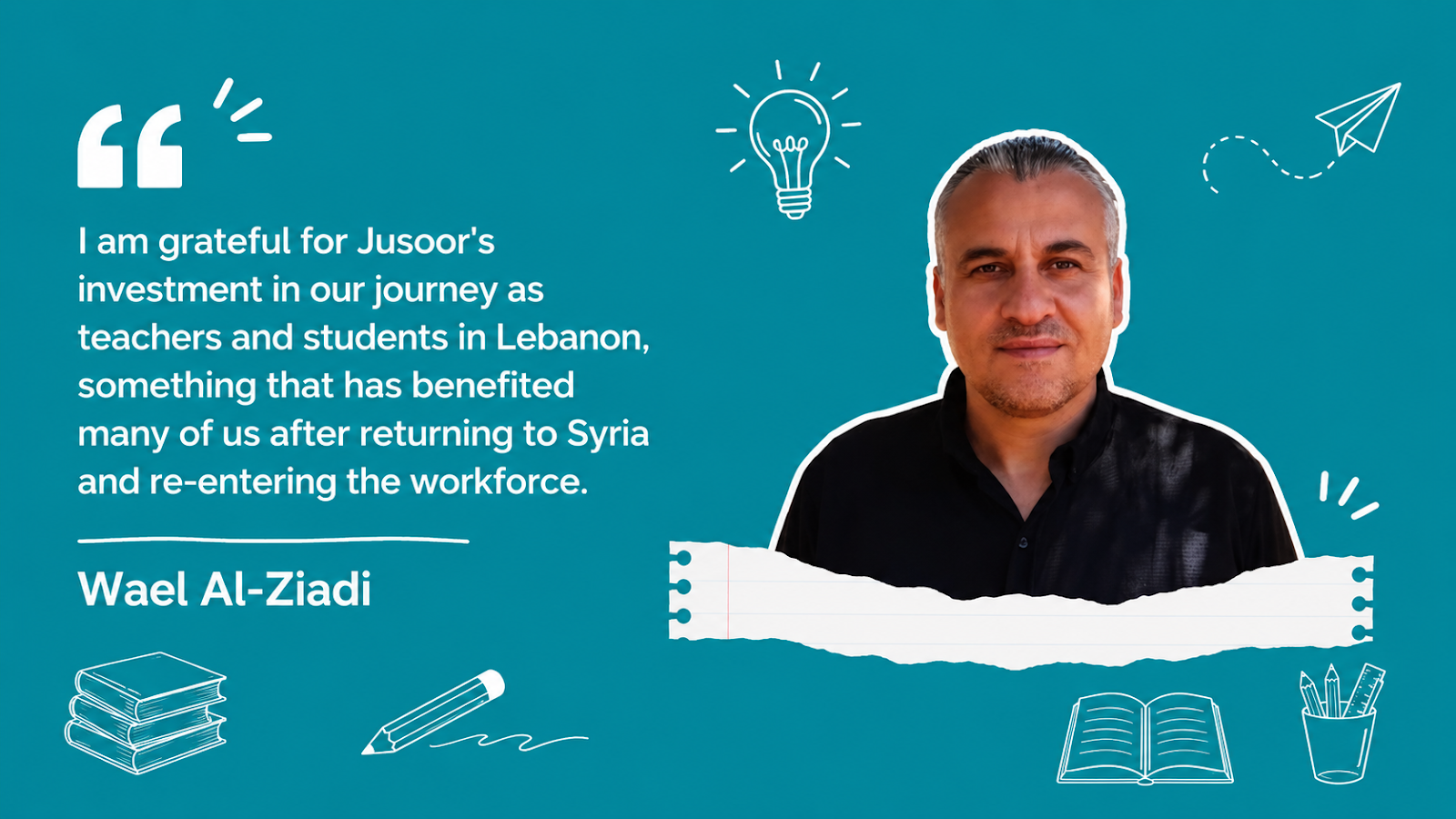
“I worked with Jusoor in Lebanon from 2017 until the end of the 2025 academic year. I worked as a classroom teacher (Grade 2), teaching Arabic, Mathematics, Science, the Hobbies subject, and Life Skills.
Through my time with Jusoor, I completed many training courses that developed my skills in the classroom through subject-based follow-up. These courses included: effective classroom management, which helped me establish and organize the classroom environment; skills-based learning using technology; a course in social-emotional learning; a course in psychosocial support and learning difficulties; a course in student-centered design; a course in project-based learning; a course in protocols, cooperative learning, and creative thinking; and a course in teacher training methods (TLC), which built my capacities and professional trajectory, in addition to several courses in the English language.
These experiences and the knowledge I had built during my displacement in Lebanon were assessed when I joined Al-Bidaya School, where I served as a strong model and reference point within Jusoor/Lebanon — whether in dealing with many students or teachers, offering guidance and encouragement, providing constructive feedback, and identifying strengths and areas for development. As a result of these educational and leadership skills, my role was not limited to subject teaching and textbooks. For this reason, I am grateful for Jusoor's investment in our journey as teachers and students in Lebanon, something that has benefited many of us after returning to Syria and re-entering the workforce.”